Content Feed

Discover interesting content about books and writing

News Apr 3, 11:15 AM

Π“Π»Π΅Π± УспСнский: ΠΊΠ°ΠΊ Турналист стал писатСлСм (ΠΈΠ»ΠΈ How Uspensky Transformed Journalism Into Literature)
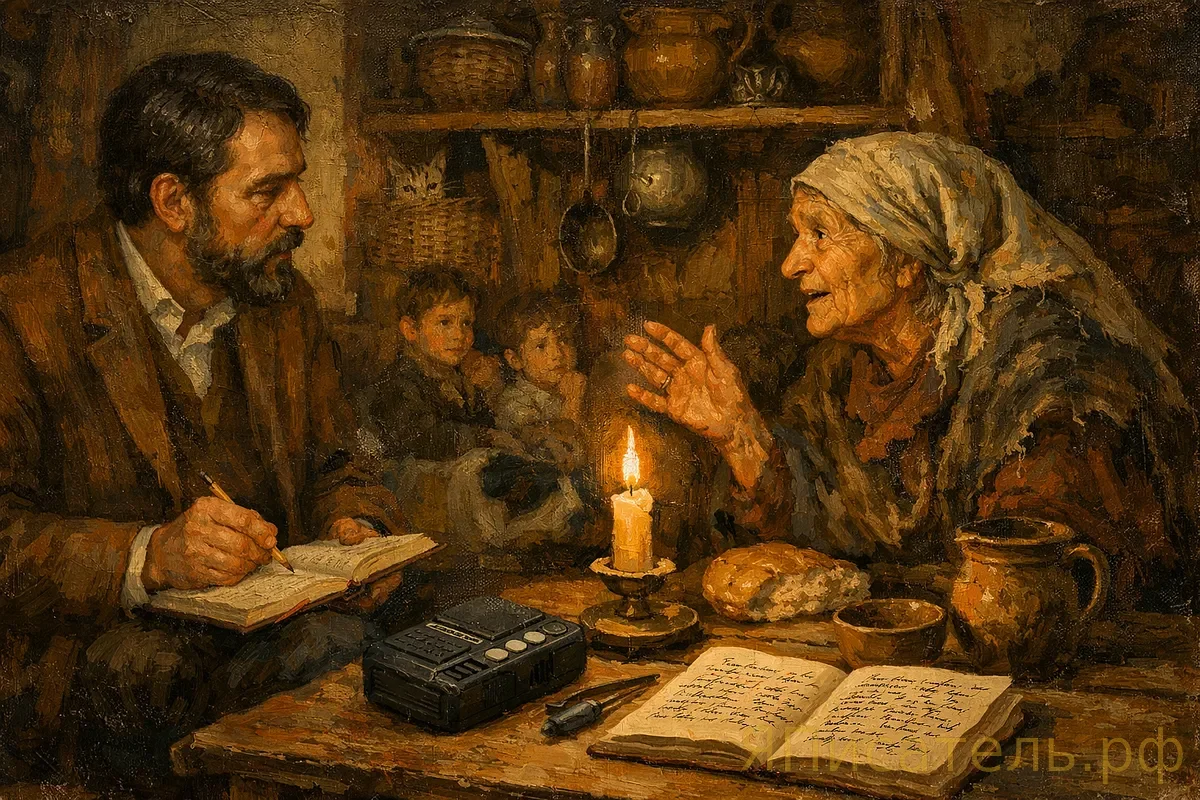
Π“Π»Π΅Π± УспСнский: ΠΊΠ°ΠΊ Турналист стал писатСлСм (ΠΈΠ»ΠΈ How Uspensky Transformed Journalism Into Literature)

Uspensky abandoned conventional narrative. Documentation became literature. Peasant speech appeared unmediated. Rural customs received meticulous description. The author positioned himself as recorder rather than creator. Yet selection constituted interpretation. Emphasis shaped understanding. Uspensky demonstrated that apparent objectivity concealed authorial perspective. His technique influenced subsequent Russian writers. Documentary realism emerged as legitimate literary mode. Journalistic precision enhanced narrative authenticity. The synthesis proved revolutionary. Tolstoy's peasant descriptions seemed literary by comparison. Uspensky's accumulation of specific detail created immersive rural worlds. Readers inhabited peasant consciousness through linguistic and cultural particularity. Later sociologists and anthropologists recognized Uspensky's literary work as methodologically sophisticated documentation. He had created literature indistinguishable from ethnographic observation. The boundary between artistic and scientific representation collapsed. Uspensky proved that rigorous observation could constitute artistic achievement.
News Apr 3, 11:15 AM

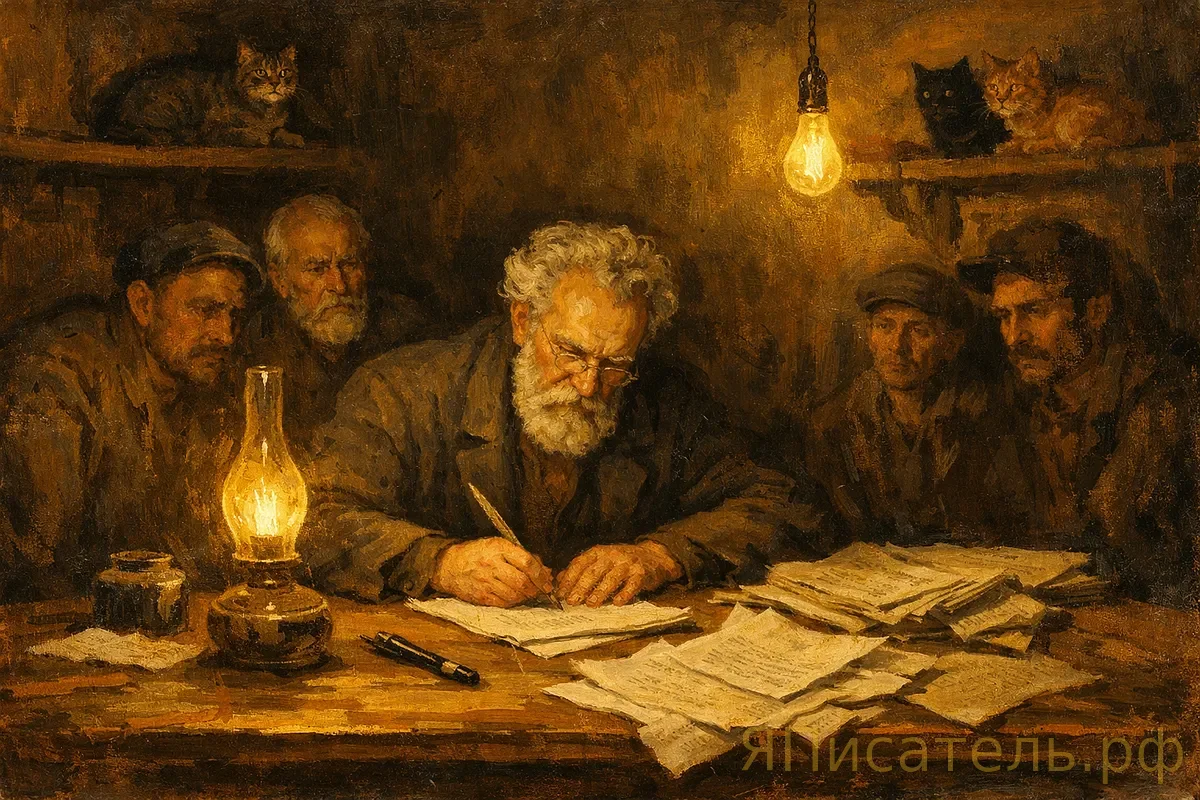
How Korolenko Made Realism a Moral Imperative

How Korolenko Made Realism a Moral Imperative

Korolenko refused detachment. Observation demanded moral response. Social realism became political action in textual form. His narratives exposed injustice through accumulated detail. The powerless received dignified representation. Their suffering refused sentimentalization yet demanded acknowledgment. Korolenko's technique involved scrupulous attention combined with philosophical conviction. Characters possessed interiority while exemplifying systemic conditions. The synthesis proved potent. Later writers recognized Korolenko's achievement as paradigmaticβ€”literature could simultaneously document reality and demand justice. His work articulated that observation without moral engagement constituted complicity. The ethical imperative animated his prose. Symbolism never obscured social specificity. Metaphor served concrete purposes. Korolenko demonstrated that engaged literature need not sacrifice aesthetic sophistication. His influence persisted through Soviet-era writers who inherited his commitment to combining formal innovation with moral seriousness.

Nothing to read? Create your own book and read it! Like I do.

Create a book
1x

"Good writing is like a windowpane." β€” George Orwell