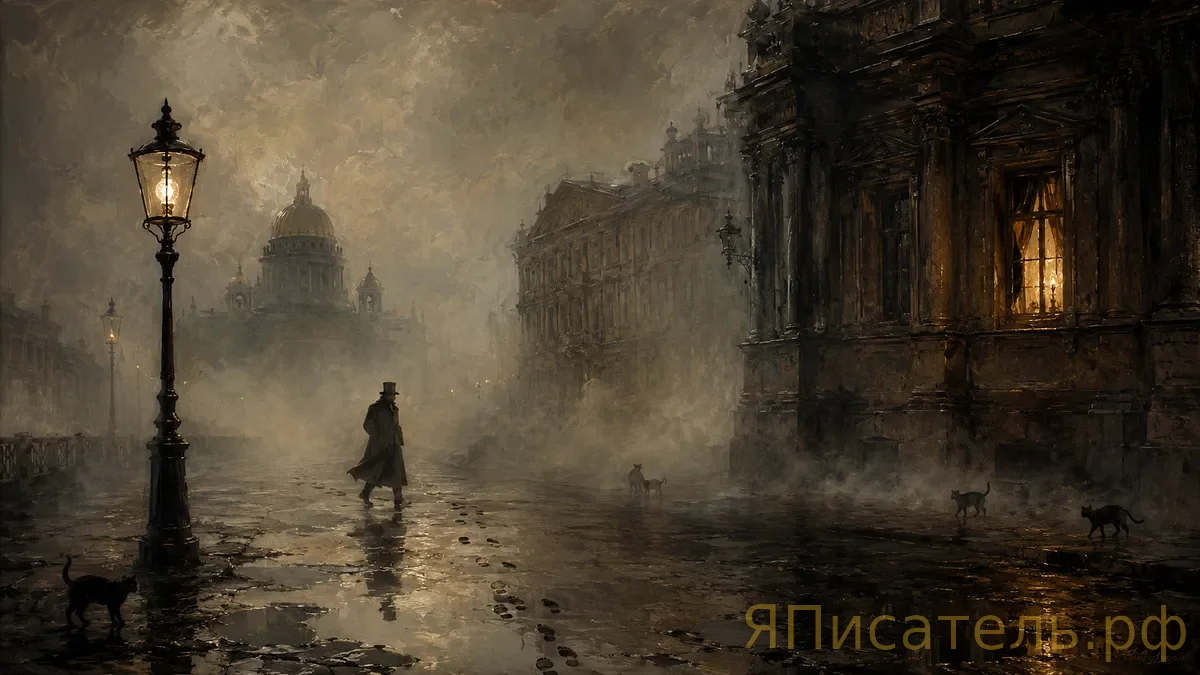
Atmospheric Immersion
Learn to construct atmosphere in Russian prose through sensory detail, weather, setting, and emotional tone that permeates scenes. Atmosphere becomes a character itself, influencing actions and revealing psychological states.
Russian writers understood that atmosphere—the emotional and sensory environment of a scene—communicates as much as plot or dialogue. Atmosphere emerges from accumulated detail: weather, light, temperature, smell, texture, and emotional resonance of place. St. Petersburg in Russian literature becomes not merely a city but a character—oppressive, beautiful, claustrophobic, and corrupting. Effective atmosphere permeates scenes without announcement; readers absorb mood through sensory experiences rather than authorial statement. The gray Russian autumn carries different weight than summer light; fog suggests confusion and moral ambiguity; stark winter creates isolation and spiritual desolation. Dostoevsky and Turgenev constructed atmospheres that mirrored character psychology: as protagonists descended into despair, landscapes became darker, more threatening, more claustrophobic. Weather becomes metaphor without being explicitly symbolic—rain intensifies emotional moments, wind carries significance, seasons mark transformations. Atmosphere also serves narrative function: it constrains possibilities, shapes character behavior, and creates believable motivation for actions that might otherwise seem unmotivated. Constructing atmosphere requires attention to what characters notice: an anxious character notices threats, a depressed character notices decay, a determined character notices obstacles.
将此代码粘贴到您网站的HTML中以嵌入此内容。