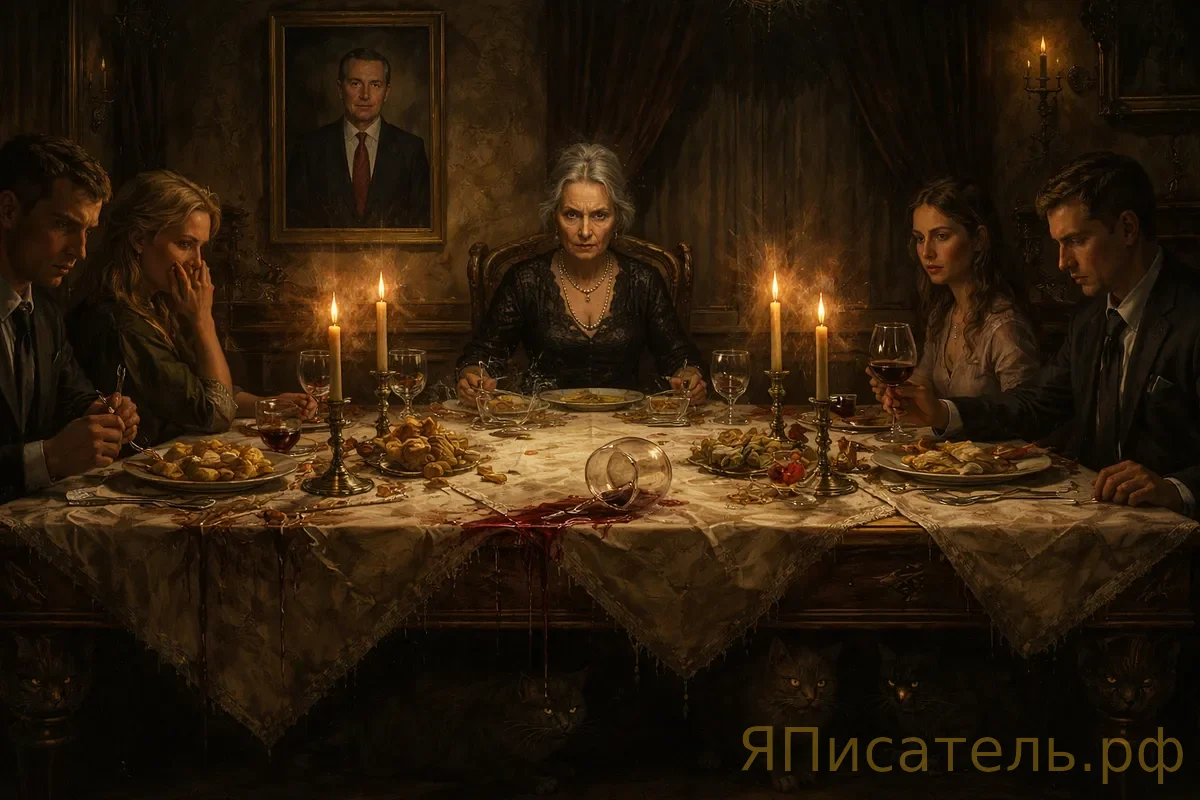
Between Family and Politics: How Shchedrin Encoded Tsarist Critique in The Golovlyov Family
Shchedrin's technique was masterful. He disguised political assault as domestic tragedy. The Golovlyovs rotted not from passion but from moral emptiness. Each family member represented a bureaucratic archetype. Nastasya Petrovna became the perfect administrator—cruel, methodical, fundamentally vacant. Her son Porfiry embodied servility. Saltykov-Shchedrin encoded systemic critique inside intimate scenes. Readers navigated claustrophobic households that mirrored state structures. Tsarist censors struggled to identify the attack. The satire functioned through displacement—bureaucracy manifested as family pathology. This approach influenced subsequent Russian writers. Tolstoy studied Shchedrin's methodology. The strategy of embedding political meaning within psychological realism became foundational to Russian modernism. His work demonstrated that state critique need not announce itself.
将此代码粘贴到您网站的HTML中以嵌入此内容。