Content Feed

Discover interesting content about books and writing

News Apr 3, 11:15 AM

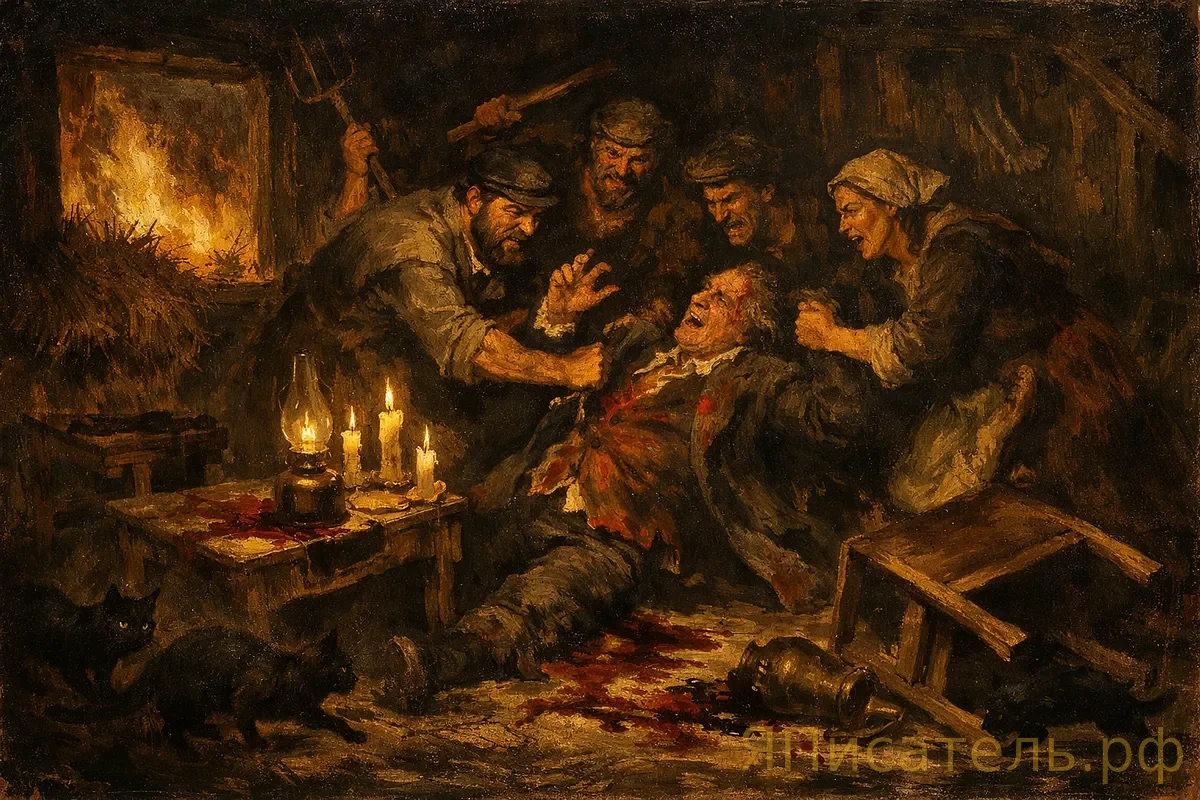
Pisemsky: When Russian Literature Finally Depicted Real Violence
Pisemsky: When Russian Literature Finally Depicted Real Violence

Pisemsky abandoned idealism. His narratives showcased destruction without redemption. Class conflict erupted into genuine violence. Peasants murdered landlords. Aristocrats degraded themselves utterly. Romance dissolved into squalor. The author offered neither salvation nor moral instruction. His characters inhabited moral chaos. Revenge motivated action. Desperation drove choices. Pisemsky's unflinching depiction violated Russian literary conventions. Tolstoy seemed sentimental by comparison. Dostoevsky's spiritual questing appeared evasive. Pisemsky portrayed social collapse as irrevocable. His influence appeared indirect—later writers learned what NOT to do from his example. Yet his commitment to depicting reality without mystification anchored subsequent literary movements. Modernist authors recognized Pisemsky's achievement. He had demonstrated that authentic representation required abandoning consolatory narratives.

Tip May 9, 05:01 AM

Develop Authentic Characters Through Contradiction

Real people contain multitudes and contradictions. Create characters who want conflicting things, hold contradictory beliefs, or struggle between different aspects of themselves. This complexity generates believable, compelling fiction.

The most memorable characters in literature are not consistent in simple ways—they are contradictory, conflicted, and human. A character might be brave in physical danger but cowardly about emotional vulnerability. Another might be ruthless in business yet tender with family. These contradictions are not flaws in characterization; they are the essence of psychological realism. Dostoevsky excelled at this, creating characters like Raskolnikov who embody philosophical contradictions that create the entire dramatic tension of Crime and Punishment. When building your characters, ask yourself: What does this person want? What does this person fear wanting? What belief do they hold that contradicts their actions? These questions generate the depth and conflict that make characters memorable. Contradictions shouldn't be arbitrary—they should emerge naturally from the character's psychology, history, and circumstances. A character might be intellectual yet driven by passion, principled yet tempted by corruption, or loving yet incapable of expressing affection. These internal contradictions create the emotional stakes that keep readers invested in discovering how the character will resolve their conflicts.

News Apr 3, 11:15 AM

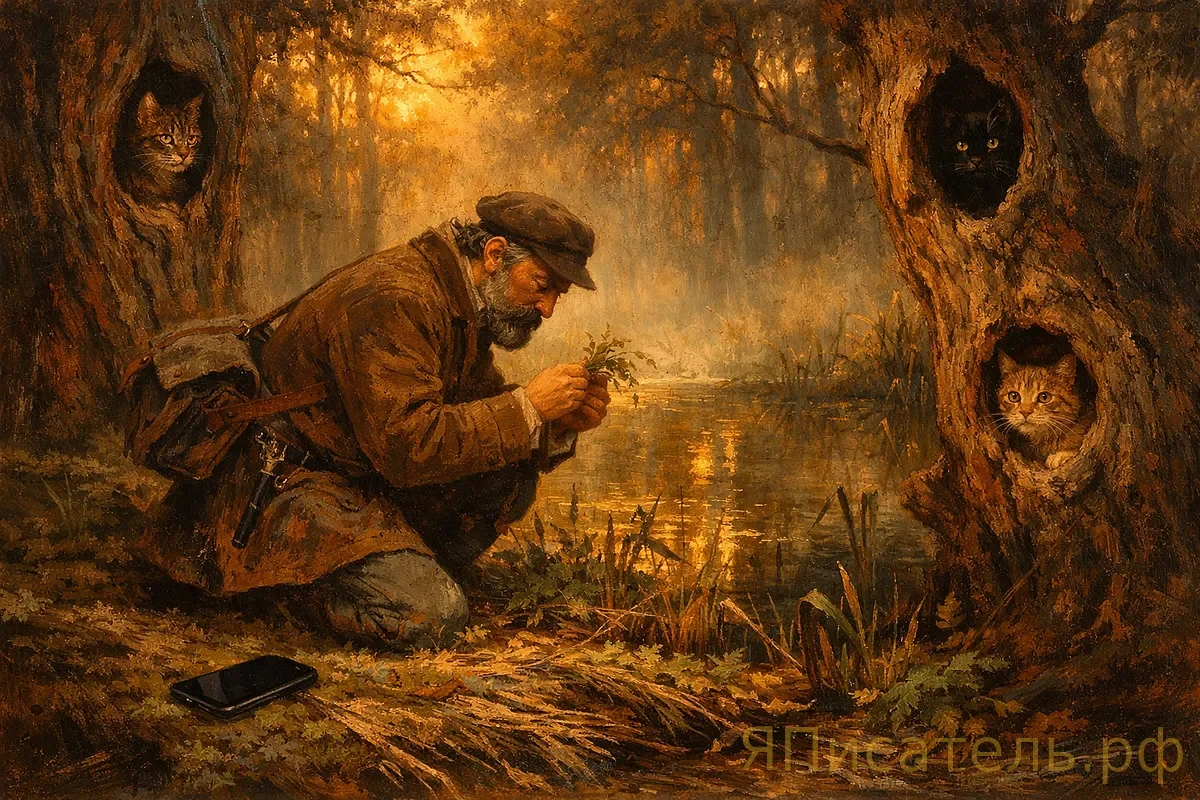
Aksakov's Spiritual Revolution: How Mysticism Transformed Russian Nature Writing

Aksakov's Spiritual Revolution: How Mysticism Transformed Russian Nature Writing

Aksakov observed meticulously. Yet observation transcended mere documentation. His descriptions of forests contained spiritual revelation. Marshes became metaphysical spaces. Animals possessed symbolic depth. The natural world in Aksakov's prose carried theological weight. He rejected purely aesthetic landscaping. Nature functioned as ontological reality. His works demonstrated that detailed naturalism could coexist with transcendent vision. Subsequent Russian writers absorbed this synthesis. Tolstoy's spiritual passages owe debts to Aksakov's precedent. The technique involved lexical precision married to metaphysical suggestion. Aksakov proved that description itself could constitute philosophy. His hunting narratives became meditative texts. Environmental detail served contemplative purposes. The literary tradition inherited his fusion of phenomenological observation with mystical interpretation.

Nothing to read? Create your own book and read it! Like I do.

Create a book
1x

"All you do is sit down at a typewriter and bleed." — Ernest Hemingway