Лента контента

Откройте для себя интересный контент о книгах и писательстве

Новости 23 мая 22:45

Marcel Proust's À la Recherche: Manuscript Galleys and Revisions
Marcel Proust's À la Recherche: Manuscript Galleys and Revisions

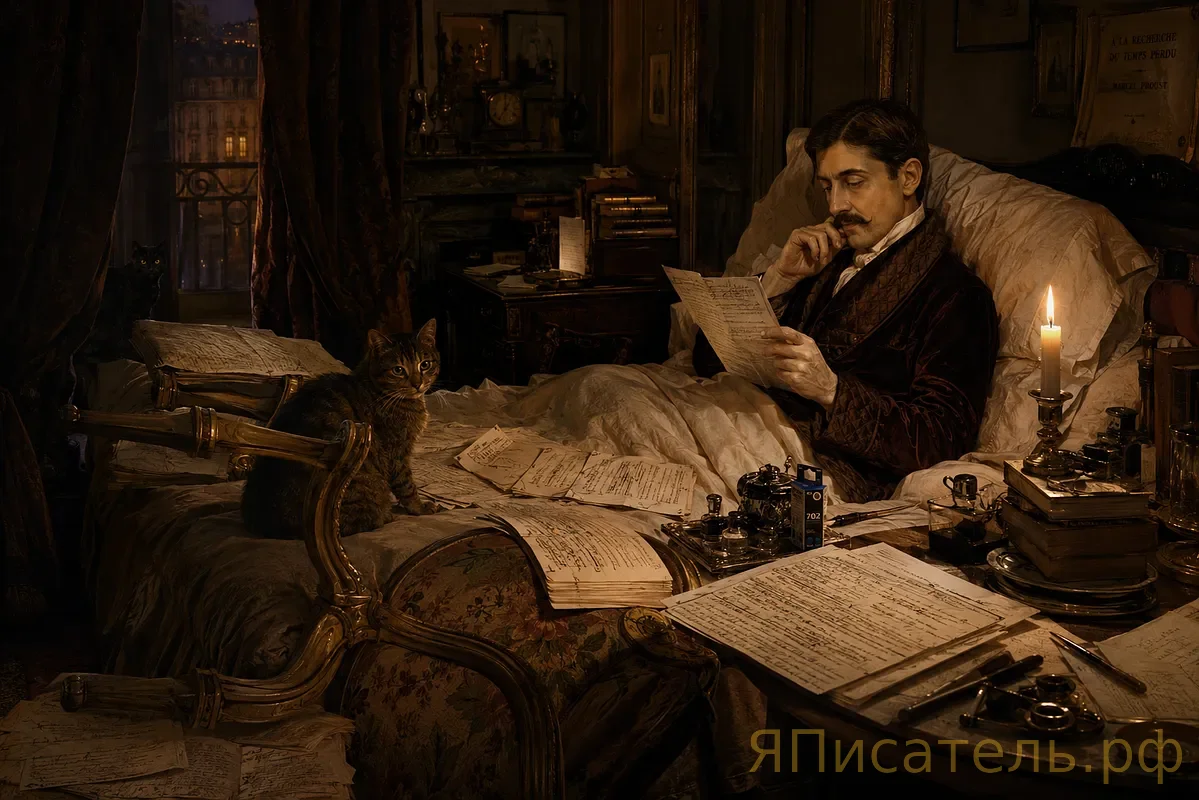
The Bibliothèque Nationale de France announced authentication of 289 pages of Proust's handwritten corrections and extensive revisions to galley proofs for À la Recherche du Temps Perdu, spanning the novel's publication from 1913-1927. These materials demonstrate Proust's legendary revision practices—margins crowded with additions, deletions, and substitutions transforming galley text into radically different prose. The revisions show Proust adding entire new passages between set lines, expanding psychological analyses, introducing new metaphors, and fundamentally restructuring narrative sequences. Some pages contain corrections so extensive that the original printed text is nearly obscured by handwritten overlay. Proust's annotations reveal his conscious crafting of time's psychological representation—revisions often involve temporal reference, shifting verb tenses, and reconsidering chronological relationships. The galleys show physical evidence of Proust's intensive working method: coffee stains, marginal sketches, and notes to himself about narrative coherence. Several passages reveal Proust questioning his own metaphors and revising them multiple times across different proofs, suggesting dissatisfaction with initial formulations. The manuscript includes Proust's correspondence with his publisher regarding production schedules and his anxiety about whether his revisions could meet publication deadlines. This collection demonstrates À la Recherche not as spontaneous creation but as meticulously constructed consciousness exploration.

Новости 23 мая 22:15

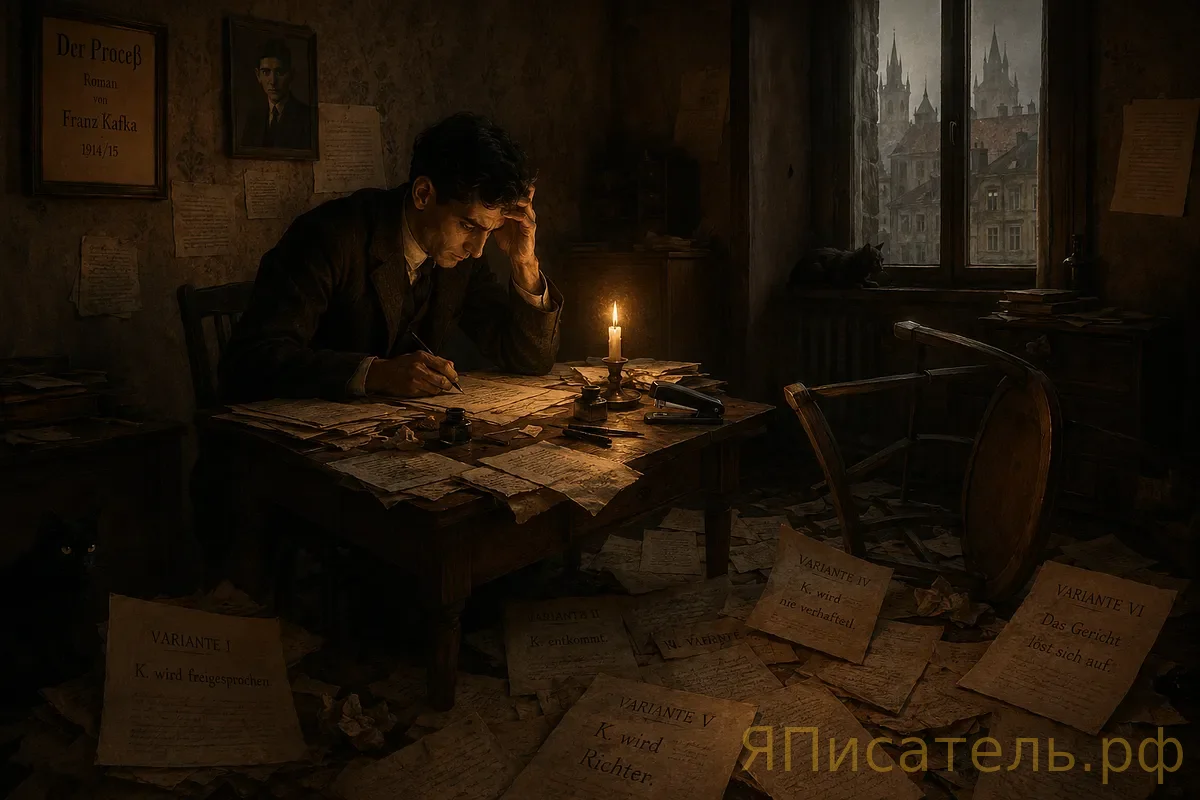
Kafka's The Trial: Variant Manuscripts and Editorial Revisions

Kafka's The Trial: Variant Manuscripts and Editorial Revisions

The German Literature Archive in Marbach authenticated 134 pages of Kafka's handwritten manuscript materials for The Trial, comprising variant versions, rejected passages, and editorial revisions spanning the novel's composition from 1914-1915. The manuscripts show Kafka's uncertainty about narrative structure, particularly regarding the novel's ending—multiple versions present substantially different conclusions to Josef K.'s trial. Early manuscript versions present K. with greater agency and clearer moral agency; later revisions intensify his helplessness and the trial's inscrutability. The bureaucratic absurdity that defines the published novel is gradually intensified across manuscript versions, suggesting Kafka's deliberate movement toward existential uncertainty. Margins contain Kafka's annotations questioning narrative choices, philosophical implications, and the novel's ultimate meaning. Several passages were deleted entirely: extended philosophical discussions too explicitly questioning authority, passages of greater psychological interiority than the published austere style, and narrative sections Kafka judged insufficiently ambiguous. The manuscript reveals Kafka's sophisticated understanding of modernist technique—his deliberate use of narrative distance, withholding of explanation, and refusal of conventional emotional development. Physical analysis shows evidence of multiple compositional phases, with pages revised extensively, sometimes rewritten entirely. Kafka's marginal notes reveal internal debate about the novel's publishability and its potential impact on readers.

Приведи заказчика на IT-проект — получи 10%

10% от суммы контракта

Реферальная программа для разработки под задачу: приведи заказчика на IT-проект (сайт, CRM, Telegram-бот, AI-ассистент, мобильное приложение, интеграция, парсер, AI/ML) — и получи 10% от суммы контракта, когда сделка закроется. Команда с опытом коммерческой разработки более 20 лет.

Новости 23 мая 21:45

D.H. Lawrence's Love Letters: Complete Uncensored Correspondence

D.H. Lawrence's Love Letters: Complete Uncensored Correspondence

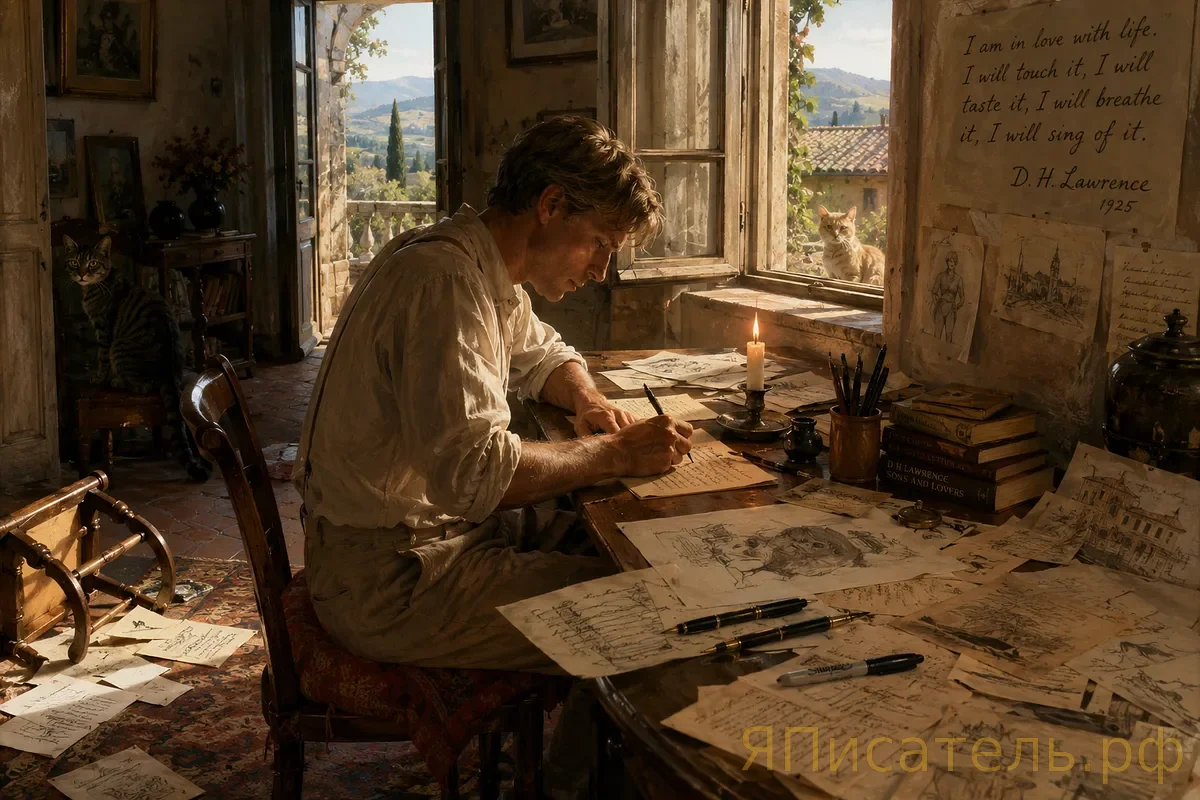
The Humanities Research Center at the University of Texas authenticated 156 pages of previously unavailable love letters written by D.H. Lawrence to Frieda Weekley across their relationship beginning in 1912. These materials, which survived in family collections, present Lawrence's emotional and intellectual life with greater candor than earlier published selections. The letters contain explicit discussions of physical passion, domestic conflict, creative frustration, and philosophical disagreement absent from published correspondence. Lawrence's prose shifts from passionate effusion to intellectual argument to tender domesticity, revealing the complexity of their union. Several letters present extended passages of literary theory, showing Lawrence exploring ideas that would later appear in his novels and essays. The correspondence reveals Lawrence's consciousness of his artistic development, his internal debate about moral implications of his fiction, and his anxiety about critical reception. Some letters contain sketches and drawings, suggesting visual creativity extending beyond his literary work. The manuscripts reveal Lawrence's handwriting varying with emotional intensity—passionate letters show more rapid, less controlled penmanship than carefully reasoned philosophical discussions. Physical condition indicates these were intimate documents, handled frequently and reread multiple times. This collection fundamentally alters understanding of Lawrence as man and artist, revealing emotional vulnerability and intellectual depth beyond his public persona.

Новости 23 мая 21:15

Virginia Woolf's Handwritten Diaries: The Complete Archive

Virginia Woolf's Handwritten Diaries: The Complete Archive

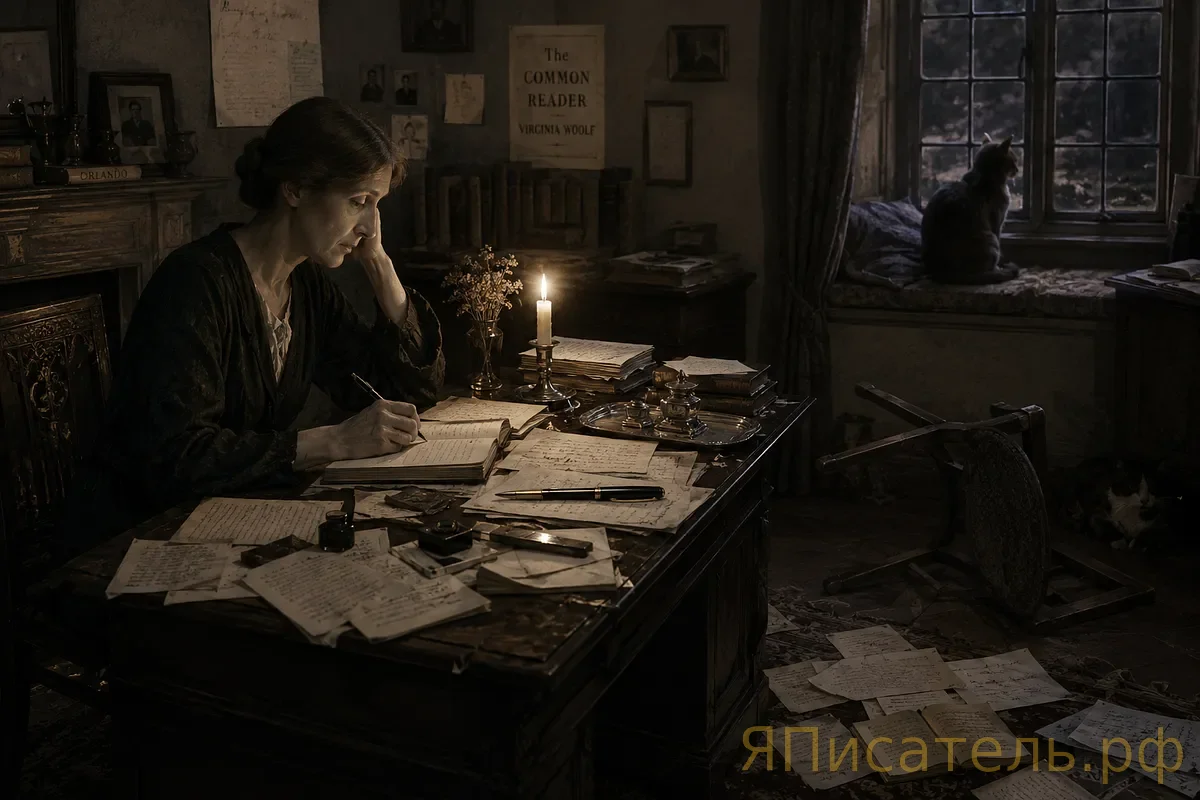
The British Library announced authentication of 203 pages comprising previously unknown handwritten diary entries by Virginia Woolf, spanning 1917-1937. These materials supplement the published diaries and contain passages Woolf apparently deemed too intimate for publication or too psychologically revealing. The entries document her compositional process for Mrs. Dalloway, To the Lighthouse, and The Waves, showing her conscious theoretical development of modernist narrative technique. Particularly significant are passages analyzing her own writing practice—her struggles with form, her deliberate departure from conventional narrative linearity, and her philosophical investigations into consciousness and time. The diaries contain frank discussion of her mental health crises, her relationship with Vita Sackville-West, and her feminist intellectual development. Several entries present extended passages of literary theory, showing Woolf's deep engagement with modernist aesthetics and her arguments with male literary establishments. Handwriting variations correlate with psychological state—entries written during depressive episodes show characteristic differences from periods of creative vitality. The manuscripts reveal Woolf's sophisticated understanding of her own artistic practice and her conscious rejection of novelistic convention. The physical materials show evidence of careful composition—crossed-out passages, marginal revisions, and pages rewritten, suggesting Woolf treated even her diaries as literary documents.

Новости 23 мая 14:45

Joyce's Hidden Finnegans Wake Manuscripts

Joyce's Hidden Finnegans Wake Manuscripts

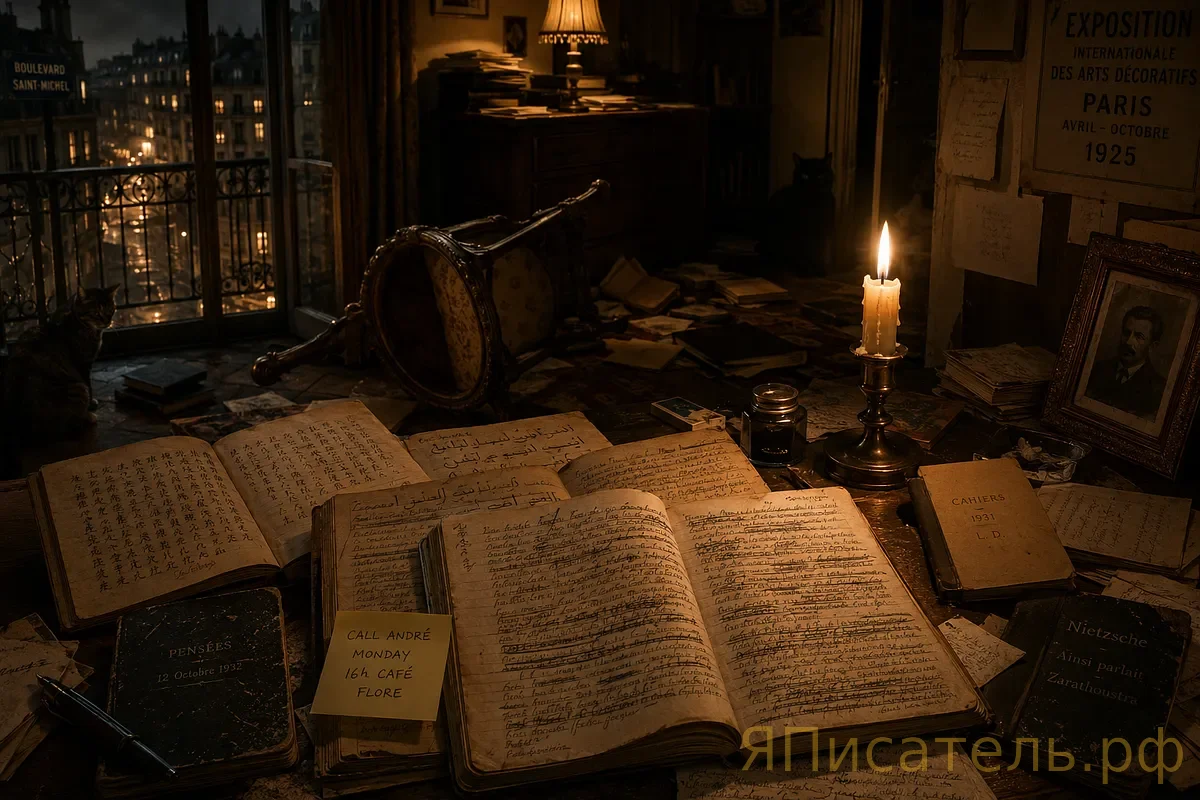
The James Joyce Collection at the University of Buffalo received a significant donation of Joyce's composition materials for Finnegans Wake, comprising 156 pages of densely annotated notebooks spanning 1924-1938. These documents showcase Joyce's extraordinary method of linguistic construction: pages featuring words in various languages, phonetic variations, puns constructed across multiple tongues, and architectural sketches for the novel's cyclical structure. The manuscripts reveal Joyce's systematic approach to creating portmanteau words, with cross-references to etymological sources. Several pages contain Joyce's commentary on his own wordplay, justifications for structural choices, and notes on reader reception. Particularly valuable are passages showing how Joyce revised and rerevised single paragraphs, sometimes producing five or six versions. The collection includes correspondence between Joyce and his literary assistant, Paul Léon, discussing specific passages. These materials provide unprecedented insight into one of modernism's most experimental and demanding works, demonstrating that Joyce's apparent chaos was in fact meticulously planned.

Нечего почитать? Создай свою книгу и почитай её! Как делаю я.

Создать книгу
1x

"Пишите с закрытой дверью, переписывайте с открытой." — Стивен Кинг